Examining Data Demands for 3pl Audit Software
Picking 3pl Audit Software calls for more than contrasting functions. Companies need to initially identify whether a platform can approve, organize, and confirm the functional and payment info that forms their logistics expenses.
A beneficial assessment starts with the information currently created by carriers, storage facilities, transportation monitoring systems, business resource planning systems, and 3PL partners. Comprehending those sources helps groups identify compatibility voids prior to execution.
FreightOptics markets 3pl Audit Software.
Start With Operational Data Sources
Operational information gives the context required to evaluate whether a charge matches the solution that was asked for and delivered. Pertinent records might include delivery dates, beginning and destination areas, solution levels, bundle or pallet details, weights, dimensions, tracking identifiers, shipment standing, accessorial events, and storehouse task.
Businesses must assess just how this information is kept and traded. Some companions might give organized files, while others use system integrations, portals, or standard digital files. Throughout assessment, verify whether the software can bring these sources with each other without requiring considerable manual prep work. It should also preserve crucial identifiers so delivery, order, billing, and delivery records can be linked precisely.
Examine Billing and Contract Information
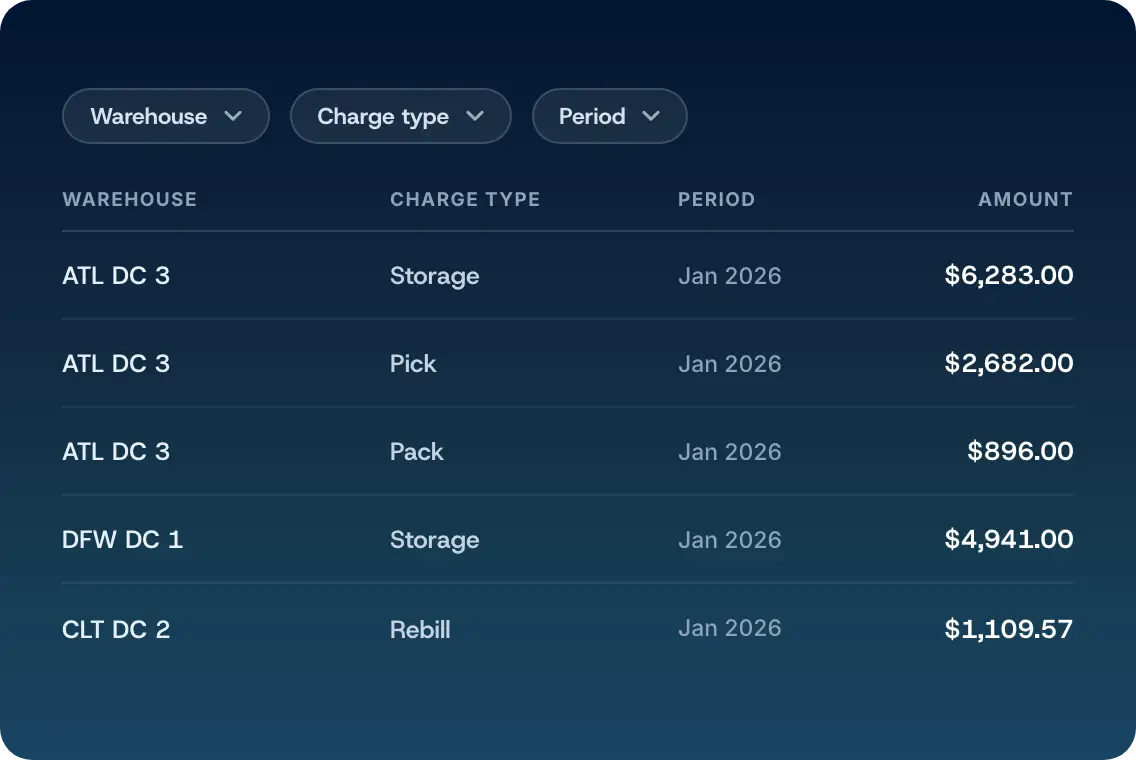
Billing information is central to an audit because invoices contain the amounts that require to be checked. Important fields can consist of billing numbers, invoice days, delivery references, billed solutions, base transport costs, fuel costs, accessorial costs, taxes, credit histories, modifications, and settlement status. For storage facility and fulfillment activity, businesses might additionally need storage space, taking care of, pick-and-pack, receiving, returns, and unique service charges.
Agreement and price information is worthy of equivalent interest. A system may require to assess worked out rates, minimum fees, dimensional policies, fuel schedules, area interpretations, additional charge conditions, money demands, and reliable dates. Ask how these terms are stood for and kept, specifically when agreements differ by carrier, client, facility, lane, or service kind. Clear support for versioned rules can aid make certain an invoice is assessed versus the terms that used when the solution occurred.
Assess Information Quality and Matching Requirements
Also capable audit software program depends on reliable source information. Assessment teams should check out replicate documents, missing out on tracking numbers, inconsistent address formats, contrasting weights, system distinctions, insufficient accessorial codes, and day or time-zone inconsistencies. They ought to additionally recognize which fields are mandatory for matching billings to shipments, orders, contracts, and proof-of-delivery details.
A strong examination consists of depictive samples instead of just tidy examination files. Use regular deliveries, exceptions, returns, global motions, multi-package orders, and invoices containing credit histories or challenged charges. This discloses whether the system can identify partnerships across documents and clarify why a fee was approved, flagged, or turned down.
Take Into Consideration Reporting, Controls, and Data Gain access to
The value of audited information expands beyond finding private disparities. Companies may require summaries by provider, center, consumer, service degree, lane, shipment type, or payment period. They might also want to differentiate recoverable mistakes from legitimate charges and keep track of reoccuring issues. Confirm that the software program can offer valuable coverage while preserving the transaction-level information needed for evaluation.
Information access and governance should belong to the analysis also. Review user authorizations, audit histories, export choices, retention techniques, and the capability to paper decisions or improvements. These capabilities support partnership among logistics, money, procurement, and procedures groups without losing the original document or the thinking behind a modification.
Develop an Evaluation Checklist
Before selecting a platform, create a list that maps each called for data source and area to a company objective. Consist of functional occasions, invoices, price agreements, account structures, exception codes, and reporting requirements. Record the expected style, update frequency, liable proprietor, and any improvement called for before the data 3PL supplier audit software can be made use of.
FreightOptics offers 3rd Event Logistics Audit services, and its 3pl Audit Software can be thought about along with the organization's existing systems, companion demands, and audit procedures. A focused testimonial of information demands helps businesses choose software that fits their functional atmosphere and supports consistent, explainable payment analysis.
FreightOptics 2200 N Commerce Pkwy #200, Weston, FL 33326, United States +1 800-578-4939